

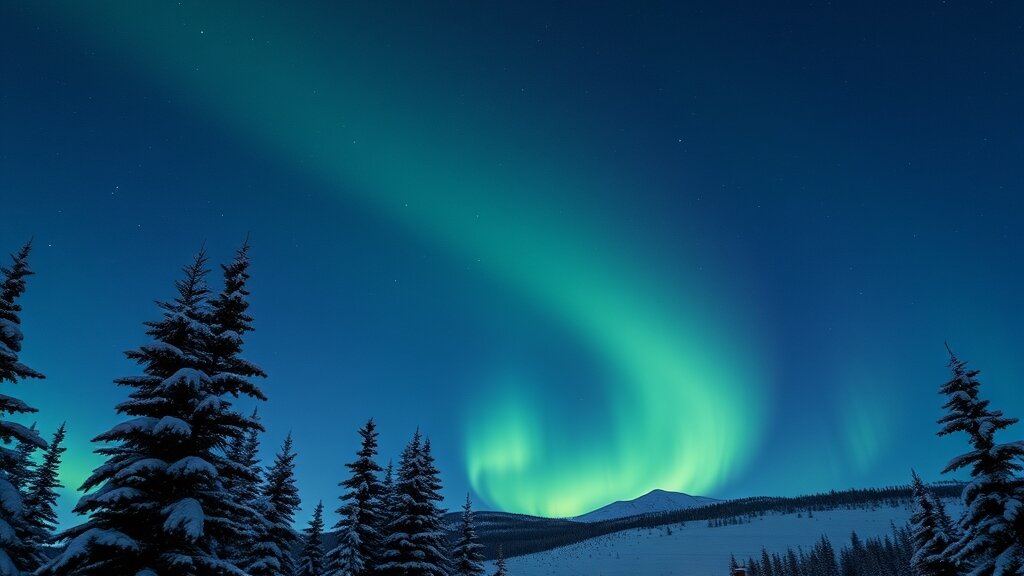
Planning a trip to see the aurora borealis in the Yukon requires careful coordination, particularly as autumn transitions into full winter. For travellers focusing on northern lights tours Whitehorse November departures offer an incredible introduction to sub-arctic conditions. With significantly longer nights and the arrival of seasonal snowpacks, November provides a dramatic landscape for viewing the night sky. However, early winter travel in northern Canada also introduces specific logistical realities regarding weather, transportation, and tour formats.
Whether you are comparing multi-day packages or booking a single evening outing, understanding how local operators structure their excursions will help you set realistic expectations. From hotel pick-up routines to choosing between remote viewing cabins and mobile tracking tours, here is a comprehensive breakdown of what to anticipate when arranging your Yukon aurora adventure.
Why November is Ideal for Northern Lights Tours
Timing is everything when planning an aurora viewing holiday. While September brings autumn colours and milder temperatures, and December introduces deep winter cold, November strikes a distinct balance for travellers seeking darkness combined with manageable early-season conditions.
As daylight hours shorten rapidly through late autumn, Whitehorse experiences extended periods of darkness, which increases your daily window for spotting activity overhead. Furthermore, November typically brings steady snow accumulation to the surrounding wilderness. This snow cover not only transforms the boreal forest into a picturesque winter wonderland but also reflects ambient light, making nighttime outdoor navigation around viewing sites much easier than during pitch-black, snowless months.
At the same time, prospective visitors should prepare for colder ambient temperatures. Daytime highs regularly dip below freezing, and nighttime lows can be brisk. This makes weather-appropriate clothing an absolute necessity rather than a mere suggestion.
Key Booking Considerations for Guided Aurora Viewing
Securing your spot well in advance is critical when planning winter travel to the Yukon. Because November marks the official start of the peak winter tourism season, popular operators often fill their rosters months ahead of time.
When evaluating different options for an aurora tour Whitehorse providers generally fall into a few distinct categories:
- Cabin-Based Viewing: Many operators transport guests to heated cabins or wall tents located away from the city lights of Whitehorse. These sites offer indoor comfort, hot beverages, washrooms, and wind protection while you wait for activity to appear.
- Mobile Tours: Some excursions utilize passenger vans or small buses to chase clear skies across various micro-climates along regional highways, adjusting locations based on real-time cloud cover reports.
- Multi-Day Packages: For travellers wanting a fully immersive experience, bundled packages often combine daytime winter activities—such as dog sledding or snowshoeing—with nightly aurora viewings.
When reviewing options, check whether professional photography assistance or tripod rentals are included, as capturing the aurora requires specific camera settings and equipment stability in cold weather.
If you enjoy planning complex itineraries that combine multiple types of excursions and regional activities, you can Explore businesses on Weblatis to discover vetted local operators, travel agencies, and guides across various Canadian destinations.
Understanding Tour Pickups and Logistics
Logistics can make or break a winter excursion, particularly when operating in remote sub-arctic environments. Most guided departures in Whitehorse include hotel pick-up services from major local accommodations, simplifying the transition from your room to the departure vehicle.
Because aurora viewing depends heavily on weather conditions, departure times can fluctuate. Guides typically monitor cloud cover and solar activity forecasts throughout the afternoon, finalising departure windows just hours before heading out. Most evening tours leave town between 9:00 PM and 10:00 PM, returning to Whitehorse in the early morning hours.
What to Wear for Sub-Zero Yukon Nights
Staying warm is essential for enjoying your time outside. Even if your tour includes a heated indoor shelter, you will spend significant time standing outdoors scanning the horizon. Layering is your best defence:
- Base Layer: Moisture-wicking thermal tops and bottoms (merino wool or synthetic fabrics).
- Insulating Layer: Heavy fleece sweaters or down jackets that trap heat effectively.
- Outer Layer: Windproof and waterproof winter parka and insulated snow pants.
- extremities: Insulated winter boots rated for sub-zero temperatures, thick wool socks, windproof mittens, and a warm toque or balaclava.
Some specialized tour operators provide heavy-duty arctic winter suits and boots as part of the package. Always confirm whether gear rental is included in your booking fee so you can pack accordingly.
Comparing Seasonal Travel Experiences
If you are in the early stages of mapping out your Canadian travel calendar, it helps to compare regional highlights across different provinces and seasons. For travellers interested in iconic natural landmarks, looking at other regional highlights—such as planning Niagara Falls tours from Toronto—can provide great inspiration for structuring domestic getaways throughout the year.
Whether you choose the misty gorges of Southern Ontario in the warmer months or the snow-draped wilderness of the Yukon in November, building a well-researched itinerary ensures a smoother travel experience from start to finish.
Growing Your Tourism Business in Canada
For local tour operators, accommodation providers, and experience creators operating in the Yukon or elsewhere in Canada, connecting with travellers during seasonal transition periods is vital for sustained growth. Platforms that streamline customer discovery help independent businesses reach targeted audiences actively searching for authentic local adventures.
If you run a tour company, guide service, or hospitality business and want to expand your digital reach, you can View business plans to learn how listing your services on Weblatis can connect you with eager travellers looking for their next unforgettable journey.
Practical Packing Strategies Beyond Clothing for Yukon Nights
While bundling up in layers remains your first line of defense against sub-zero November conditions in Whitehorse, managing your electronic devices and personal comfort gear is equally important during extended outdoor aurora viewing sessions. Extreme cold drains lithium-ion batteries rapidly, meaning smartphones and professional cameras can shut down within minutes if exposed unprotected to the ambient air.
To prevent missed photo opportunities, carry chemical hand warmers and tape them gently against your camera body or spare battery packs inside your coat. Additionally, consider packing a portable power bank kept close to your body heat. Wearing touchscreen-compatible thermal glove liners beneath heavy mittens allows you to adjust camera settings or check tracking apps without exposing bare skin to freezing wind gusts.
Evaluating Solar Forecast Indexes and Aurora Prediction Apps
Maximizing your chances of witnessing a remarkable display involves understanding how scientists and local tour operators track geomagnetic activity. The planetary K-index (Kp index) serves as a baseline measurement of geomagnetic storm activity, ranging from zero to nine. While a higher Kp index increases the likelihood of visible aurora further south, Whitehorse sits directly underneath the auroral oval, meaning stunning displays frequently occur even during lower index readings.
Rather than relying solely on generalized global forecasts, experienced Yukon travelers utilize regional tracking tools provided by agencies like the Geophysical Institute or specialized mobile notification apps. These platforms offer real-time solar wind speed, interplanetary magnetic field (IMF) orientation, and local cloud cover radar. Checking these metrics throughout the afternoon gives you a clearer picture of whether a scheduled evening excursion will benefit from crystal-clear skies or require navigating around passing weather systems.
Combining Daytime Winter Adventures with Evening Tours
Structuring your daily itinerary to balance daytime activities with late-night aurora viewing ensures you make the most of your trip without experiencing severe sleep deprivation. Because November nights in the Yukon are exceptionally long, tours frequently keep you out well past midnight, making strategic daytime pacing essential.
You can fill your daylight hours with traditional sub-arctic pursuits such as guided dog sledding excursions through snow-laden valleys, snowmobiling along frozen lake trails, or visiting local cultural and historical exhibits in downtown Whitehorse. To discover comprehensive listings of regional outfitters, equipment rental shops, and local experience providers, you can Browse business categories to locate verified services across different travel sectors.
Common Misconceptions About November Aurora Photography
Many first-time visitors arrive in Whitehorse expecting the northern lights to appear to the naked eye exactly as they look in vivid, long-exposure photographs. In reality, the aurora often begins as a faint, milky-white arc across the sky before intensifying into vibrant green or purple hues as geomagnetic activity surges. Understanding this visual transition prevents disappointment and helps you appreciate the dynamic nature of the phenomenon.
If you plan to capture the experience using a digital camera or smartphone, mastering manual focus prior to your trip is critical. Autofocus systems struggle to lock onto stars in total darkness. Switching your lens to manual mode, focusing on a bright distant star or horizon point in advance, and securing your camera to a sturdy tripod will dramatically improve the sharpness of your final images.
Conclusion
Experiencing November northern lights in Whitehorse offers a rewarding glimpse into Canada's winter wilderness. By planning your booking timeline well in advance, understanding the logistical differences between cabin-based and mobile viewing formats, and dressing properly for the Yukon cold, you can set the stage for an unforgettable aurora viewing trip. Take time to research your operators, confirm pickup details, and embrace the quiet beauty of early winter nights in the North.